Posted on Leave a comment

Dear SLPs, Here’s What You Need to Know About Internationally Adopted Children

In the past several years there has been a sharp decline in international adoptions. Whereas in 2004, Americans adopted a record high of 22,989 children from overseas, in 2015, only 5,647 children  (a record low in 30 years) were adopted from abroad by American citizens.
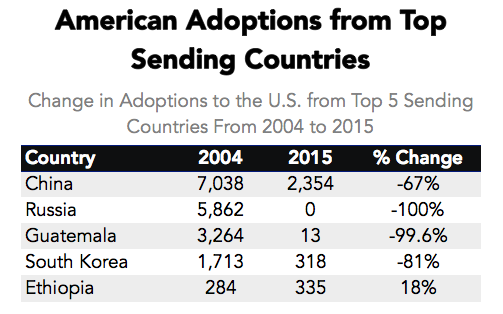
Primary Data Source: Data Source: U.S. State Department Intercountry Adoption Statistics  

Secondary Data Source: Why Did International Adoption Suddenly End?

Despite a sharp decline in adoptions many SLPs still frequently continue to receive internationally adopted (IA) children for assessment as well as treatment – immediately post adoption as well as a number of years post-institutionalization.

In the age of social media, it may be very easy to pose questions and receive instantaneous responses on platforms such as Facebook and Twitter with respect to assessment and treatment recommendations. However, it is very important to understand that many SLPs, who lack direct clinical experience in international adoptions may chime in with inappropriate recommendations with respect to the assessment or treatment of these children.

Consequently, it is important to identify reputable sources of information when it comes to speech-language assessment of internationally adopted children.

There are a number of researchers in both US and abroad who specialize in speech-language abilities of Internationally Adopted children. This list includes (but is by far not limited to) the following authors:

The works of these researchers can be readily accessed in the ASHA Journals or via ResearchGate.

Meanwhile, here are some basic facts regarding internationally adopted children that all SLPs and parents need to know.

Demographics:

  • —A greater number of older, preschool and school-aged children and fewer number of infants and toddlers are placed for adoption (Selman, 2012).
  • —Significant increase in special needs adoptions from Eastern European countries (e.g., Ukraine, Kazhakstan, etc.) as well as China.  The vast majority of Internationally Adopted children arrive to the United States with significant physical, linguistic, and cognitive disabilities as well as mental health problems. Consequently, it is important for schools to immediately provide the children with a host of services including speech-language therapy, immediately post-arrival.
  • It is also important to know that in the vast majority of cases the child’s linguistic, cognitive, or mental health deficits may not be documented in the adoption records due to poor record keeping, lack of access to adequate healthcare or often to ensure their “adoptability”. As such, parental interviews and anecdotal evidence become the primary source of information regarding these children’s social and academic functioning in their respective birth countries.

The question of bilingualism: 

  • Internationally Adopted children are NOT bilingual children! In fact, the vast majority of internationally adopted children will very rapidly lose their birth language, in a period of 2-3 months post arrival (Gindis, 2005), since they are most often adopted by parents who do not speak the child’s birth language and as such are unable/unwilling to maintain it.
  • IA children do not need to be placed in ESL classes since they are not bilingual children. Not only are IA children not bilingual, they are also not ‘truly’ monolingual since their first language is lost rather rapidly, while their second language has been gained minimally at the time of loss.
  • IA children need to acquire  Cognitive Language Mastery (CLM) which is language needed for formal academic learning. This includes listening, speaking, reading, and writing about subject area content material including analyzing, synthesizing, judging and evaluating presented information. This level of language learning is essential for a child to succeed in school. CLM takes years and years to master, especially because, IA children did not have the same foundation of knowledge and stimulation as bilingual children in their birth countries.

Image result for assessmentAssessment Parameters: 

  • —IA children’s language abilities should be retested and monitored at regular intervals during the first several years post arrival.  —
  • Glennen (2007) recommends 3 evaluations during the first year post arrival, with annual reevaluations thereafter.  —
  • Hough & Kaczmarek (2011) recommend a reevaluation schedule of 3-4 times a year for a period of two years, post arrival because some IA children continue to present with language-based deficits many years (5+) post-adoption.
  • —If an SLP speaking the child’s first language is available the window of opportunity to assess in the first language is very limited (~2-3 months at most).
  • Similarly, an assessment with an interpreter is recommended immediately post arrival from the birth country for a period of approximately the same time.
  • —If an SLP speaking the child’s first language is not available English-speaking SLP should consider assessing the child in English between 3-6 months post arrival (depending on the child and the situational constraints) in order to determine the speed with which s/he are acquiring English language abilities
    • —Children should be demonstrating rapid language gains in the areas of receptive language, vocabulary as well as articulation (Glennen 2007, 2009)
    • Dynamic assessment is highly recommended
  • It is important to remember that language and literacy deficits are not always very apparent and can manifest during any given period post arrival

To treat or NOT to Treat?

  • “Any child with a known history of speech and language delays in the sending country should be considered to have true delays or disorders and should receive speech and language services after adoption.” (Glennen, 2009, p.52)
  • —IA children with medical diagnoses, which impact their speech language abilities should be assessed and considered for S-L therapy services as well (Ladage, 2009).

Helpful Links:

  1. Elleseff, T (2013) Changing Trends in International Adoption: Implications for Speech-Language Pathologists. Perspectives on Global Issues in Communication Sciences and Related Disorders, 3: 45-53
  2. Assessing Behaviorally Impaired Students: Why Background History Matters!
  3. Dear School Professionals Please Be Aware of This
  4. What parents need to know about speech-language assessment of older internationally adopted children
  5. Understanding the risks of social pragmatic deficits in post institutionalized internationally adopted (IA) children
  6. Understanding the extent of speech and language delays in older internationally adopted children

References:

  • Gindis, B. (2005). Cognitive, language, and educational issues of children adopted from overseas orphanages. Journal of Cognitive Education and Psychology, 4 (3): 290-315.
  • Glennen, S (2009) Speech and language guidelines for children adopted from abroad at older ages.  Topics in language Disorders 29, 50-64.
  • —Ladage, J. S. (2009). Medical Issues in International Adoption and Their Influence on Language Development. Topics in Language Disorders , 29 (1), 6-17.
  • Selman P. (2012) Global trends in Intercountry Adoption 2000-2010. New York: National Council for Adoption, 2012.
  • Selman P. The global decline of intercountry adoption: What lies ahead?. Social Policy and Society 2012, 11(3), 381-397.

Additional Helpful References:

  • Abrines, N., Barcons, N., Brun, C., Marre, D., Sartini, C., & Fumadó, V. (2012). Comparing ADHD symptom levels in children adopted from Eastern Europe and from other regions: discussing possible factors involved. Children and Youth Services Review, 34 (9) 1903-1908.
  • Balachova, T et al (2010). Changing physicians’ knowledge, skills and attitudes to prevent FASD in Russia: 800. Alcoholism: Clinical & Experimental Research. 34(6) Sup 2:210A.
  • Barcons-Castel, N, Fornieles-Deu,A, & Costas-Moragas, C (2011). International adoption: assessment of adaptive and maladaptive behavior of adopted minors in Spain. The Spanish Journal of Psychology, 14 (1): 123-132.
  • Beverly, B., McGuinness, T., & Blanton, D. (2008). Communication challenges for children adopted from the former Soviet Union. Language, Speech, and Hearing Services in Schools, 39, 1-11.
  • Cohen, N. & Barwick, M. (1996). Comorbidity of language and social-emotional disorders: comparison of psychiatric outpatients and their siblings. Journal of Clinical Child Psychology, 25(2), 192-200.
  • Croft, C et al, (2007). Early adolescent outcomes of institutionally-deprived and nondeprived adoptees: II. Language as a protective factor and a vulnerable outcome. The Journal of Child Psychology and Psychiatry, 48, 31–44.
  • Dalen, M. (2001). School performances among internationally adopted children in Norway. Adoption Quarterly, 5(2), 39-57.
  • Dalen, M. (1995). Learning difficulties among inter-country adopted children. Nordisk pedagogikk, 15 (No. 4), 195-208
  • Davies, J., & Bledsoe, J. (2005). Prenatal alcohol and drug exposures in adoption. Pediatric Clinics of North America, 52, 1369–1393.
  • Desmarais, C., Roeber, B. J., Smith, M. E., & Pollak, S. D. (2012). Sentence comprehension in post-institutionalized school-age children. Journal of Speech, Language, and Hearing Research, 55, 45-54
  • Eigsti, I. M., Weitzman, C., Schuh, J. M., de Marchena, A., & Casey, B. J. (2011). Language and cognitive outcomes in internationally adopted children. Development and Psychopathology, 23, 629-646.
  • Geren, J., Snedeker, J., & Ax, L. (2005). Starting over:  a preliminary study of early lexical and syntactic development in internationally-adopted preschoolers. Seminars in Speech & Language, 26:44-54.
  • Gindis (2008) Abrupt native language loss in international adoptees.  Advance for Speech/Language Pathologists and Audiologists.  18(51): 5.
  • Gindis, B. (2005). Cognitive, language, and educational issues of children adopted from overseas orphanages. Journal of Cognitive Education and Psychology, 4 (3): 290-315. Gindis, B. (1999) Language-related issues for international adoptees and adoptive families. In: T. Tepper, L. Hannon, D. Sandstrom, Eds. “International Adoption: Challenges and Opportunities.” PNPIC, Meadow Lands , PA. , pp. 98-108
  • Glennen, S (2009) Speech and language guidelines for children adopted from abroad at older ages.  Topics in language Disorders 29, 50-64.
  • Glennen, S. (2007) Speech and language in children adopted internationally at older ages. Perspectives on Communication Disorders in Culturally and Linguistically Diverse Populations, 14, 17–20.
  • Glennen, S., & Bright, B. J.  (2005).  Five years later: language in school-age internally adopted children.  Seminars in Speech and Language, 26, 86-101.
  • Glennen, S. & Masters, G. (2002). Typical and atypical language development in infants and toddlers adopted from Eastern Europe. American Journal of Speech-Language Pathology, 44, 417-433
  • Gordina, A (2009) Parent Handout: The Dream Referral, Unpublished Manuscript.
  • Hough, S., & Kaczmarek, L. (2011). Language and reading outcomes in young children adopted from Eastern European orphanages. Journal of Early Intervention, 33, 51-57.
  • Hwa-Froelich, D (2012) Childhood maltreatment and communication development. Perspectives on School-Based Issues,  13: 43-53;
  • Jacobs, E., Miller, L. C., & Tirella, G. (2010).  Developmental and behavioral performance of internationally adopted preschoolers: a pilot study.  Child Psychiatry and Human Development, 41, 15–29.
  • Jenista, J., & Chapman, D. (1987). Medical problems of foreign-born adopted children. American Journal of Diseases of Children, 141, 298–302.
  • Johnson, D. (2000). Long-term medical issues in international adoptees. Pediatric Annals, 29, 234–241.
  • Judge, S. (2003). Developmental recovery and deficit in children adopted from Eastern European orphanages. Child Psychiatry and Human Development, 34, 49–62.
  • Krakow, R. A., & Roberts, J. (2003). Acquisitions of English vocabulary by young Chinese adoptees. Journal of Multilingual Communication Disorders, 1, 169-176
  • Ladage, J. S. (2009). Medical issues in international adoption and their influence on language development. Topics in Language Disorders , 29 (1), 6-17.
  • Loman, M. M., Wiik, K. L., Frenn, K. A., Pollak, S. D., & Gunnar, M. R. (2009). Post-institutionalized children’s development: growth, cognitive, and language outcomes. Journal of Developmental Behavioral Pediatrics, 30, 426–434.
  • McLaughlin, B., Gesi Blanchard, A., & Osanai, Y.  (1995). Assessing language development in bilingual preschool children.  Washington, D.C.: National Clearinghouse for Bilingual Education.
  • Miller, L., Chan, W., Litvinova, A., Rubin, A., Tirella, L., & Cermak, S. (2007). Medical diagnoses and growth of children residing in Russian orphanages. Acta Paediatrica, 96, 1765–1769.
  • Miller, L., Chan, W., Litvinova, A., Rubin, A., Comfort, K., Tirella, L., et al. (2006). Fetal alcohol spectrum disorders in children residing in Russian orphanages: A phenotypic survey. Alcoholism: Clinical and Experimental Research, 30, 531–538.
  • Miller, L. (2005). Preadoption counseling and evaluation of the referral. In L. Miller (Ed.), The Handbook of International Adoption Medicine (pp. 67-86). NewYork: Oxford.
  • Pollock, K. E.  (2005) Early language growth in children adopted from China: preliminary normative data.  Seminars in Speech and Language, 26, 22-32.
  • Roberts, J., Pollock, K., Krakow, R., Price, J., Fulmer, K., & Wang, P. (2005). Language development in preschool-aged children adopted from China. Journal of Speech, Language, and Hearing Research, 48, 93–107.
  • Scott, K.A., Roberts, J.A., & Glennen, S. (2011).  How well children who are internationally do adopted acquire language? A meta-analysis. Journal of Speech, Language and Hearing Research, 54. 1153-69.
  • Scott, K.A., & Roberts, J. (2011). Making evidence-based decisions for children who are internationally adopted. Evidence-Based Practice Briefs. 6(3), 1-16.
  • Scott, K.A., & Roberts, J. (2007) language development of internationally adopted children: the school-age years.  Perspectives on Communication Disorders in Culturally and Linguistically Diverse Populations, 14: 12-17. 
  • Selman P. (2012a) Global trends in intercountry adoption 2000-2010. New York: National Council for Adoption.
  • Selman P (2012b). The rise and fall of intercountry adoption in the 21st centuryIn: Gibbons, J.L., Rotabi, K.S, ed. Intercountry Adoption: Policies, Practices and Outcomes. London: Ashgate Press.
  • Selman, P. (2010) “Intercountry adoption in Europe 1998–2009: patterns, trends and issues,” Adoption & Fostering, 34 (1): 4-19.
  • Silliman, E. R., & Scott, C. M. (2009). Research-based oral language intervention routes to the academic language of literacy: Finding the right road. In S. A. Rosenfield & V. Wise Berninger (Eds.), Implementing evidence-based academic interventions in school (pp. 107–145). New York: Oxford University Press.
  • Tarullo, A. R., Bruce, J., & Gunnar, M. (2007). False belief and emotion understanding in post-institutionalized children. Social Development, 16, 57-78
  • Tarullo, A. & Gunnar, M. R. (2005). Institutional rearing and deficits in social relatedness: Possible mechanisms and processes. Cognitie, Creier, Comportament [Cognition, Brain, Behavior], 9, 329-342.
  • Varavikova, E. A. & Balachova, T. N. (2010). Strategies to implement physician training in FAS prevention as a part of preventive care in primary health settings: P120.Alcoholism: Clinical & Experimental Research. 34(8) Sup 3:119A.
  • Welsh, J. A., & Viana, A. G. (2012). Developmental outcomes of children adopted internationally. Adoption Quarterly, 15, 241-264.
Posted on 4 Comments

Understanding the extent of speech and language delays in older internationally adopted children: Implications for School Based Speech and Language Intervention.


Understanding the extent of speech and language delays in older internationally adopted children: Implications for School Based Speech and Language Intervention.

Tatyana Elleseff MA CCC-SLP


Note: This article was first published in October 2011 Issue of Adoption Today Magazine (pp. 32-35) http://www.adoptinfo.net/catalog_g111.html?catId=55347

 According to US State Department statistics, over 11,000 children were adopted internationally in the year 2010, with 2,803 of those children being school-aged (between 5-17 years old). Despite a staggering 50% decline in overall inter-country adoptions in the last 10 years, statistics on adoption of older children continue to remain steady (appropriately 3,000 older children were adopted each year, for the past decade). (Retrieved from http://adoption.state.gov/about_us/statistics.php Jul 29, 2011).

 Subsequent to the school aged child’s arrival to US, one of the first considerations that arises, secondary to health concerns and transitional adjustments, is the issue of schooling and appropriate school based services provision. In contrast to children adopted at younger ages, who typically have an opportunity to acquire some English language skills before an academic placement takes place, older international adoptees lack this luxury. Unfortunately, due to their unique linguistic status, many school districts are at a loss regarding best services options for these children.

 Despite the prevalence of available research on this subject, one myth that continues to persist is that older internationally adopted children are “bilingual” and as such should receive remedial services similar to those received by newly entering the country bilingual children (e.g., ESL classes).

 It is very important to understand that most internationally adopted children rapidly lose their birth language, sometimes in as little as several months post arrival (Gindis, 2005), since they are often adopted by parents who do not speak the child’s first language and as such are unable/unwilling to maintain it. Not only are these children not bilingual, they are also not ‘truly’ monolingual, since their first language is lost rather rapidly, while their second language has been gained minimally at the time of loss. Moreover, even during the transition period during which international adoptees are rapidly losing their native language, their birth language is still of no use to them, since it’s not functional in their monolingual, English speaking only, home and school environments. As a result of the above constraints, select researchers have referred to this pattern of language gain, as “second, first language acquisition” (e.g., Roberts, et al., 2005), since the child is acquiring his/her new language literally from scratch.

 This brings me to another myth, that given several years of immersion in a new language rich, home and school environments, most internationally adopted children with (mild) language delays will catch up to their non-adopted monolingual peers academically, without the benefit of any additional services.

 This concept requires clarification, since the majority of parents adopting older children, often have difficulty understanding the extent of their child’s speech and language abilities in their native language at the time of adoption, and the implications for new language transference.

 Research on speech language abilities of older internationally adopted children is still rather limited, despite available studies to date. Some studies (e.g., Glennen & Masters, 2002; Krakow & Roberts, 2003, etc) suggest that age of adoption is strongly correlated with language outcomes. In other words, older internationally adopted children are at risk of having poorer language outcomes than children adopted at younger ages. That is because the longer the child stays in an institutional environment the greater is the risk of a birth language delay. Children in institutional care frequently experience neglect, lack of language stimulation, lack of appropriate play experiences, lack of enriched community activities, as well as inadequate learning settings all of which have long lasting negative impact on their language development. It is also important to understand that language delays in birth language transfer and become language delays in a new language. These delays will typically continue to persist unless appropriate intervention, in the form of speech language services, is provided.

So what are the options available to parents adopting older school age children with respect to determination of their child’s speech and language abilities?

For starters, at the time of adoption, it is very important to gain as much information regarding their child’s birth language abilities (and academic abilities, when applicable) as possible. In many older children (3+ years of age), speech and language delays in birth language (e.g., sound and word mispronunciations, limited vocabulary, grammatical errors, inability to answer simple or abstract questions, short sentence length) can be easily determined based on orphanage staff interviews, observations, and/or review of documentation included in the adoption record. In the Russian Federation, for example, speech language pathologists are assigned to orphanages, so when working with older international adoptees from the Russian Federation, one often finds a short statement in adoption records stating that the child presented with a speech and language delay for which he was receiving services.

If possible, prior to adoption, parents may wish to explore the option of obtaining an independent comprehensive speech language evaluation of the child’s birth language abilities, while the child is still located in the birth country. The above may be significant for a number of reasons. Firstly, it will allow the parents to understand the extent of the child’s language delay in their birth tongue. Secondly, it will increase the parents’ chances of obtaining school based remediation services for their child once they arrive to US.

In the absence of qualified speech pathologists attached to the orphanage or conclusive interviews with medical professionals, paraprofessionals, and teachers (lack of availability, language barrier, time constraints, etc) regarding the child’s speech and language development, it will be very helpful for parents to videotape the child during speaking tasks. Most parents who request pre-adoption consultations are well familiar with videotaping, requested by various pre-adoption professionals (pediatricians, psychologists, etc) in order to review the child’s presenting appearance, fine and gross motor skills, behavior and social skills as well as other areas of functioning. Language video samples should focus on child’s engagement in literacy tasks such as reading a book aloud (if sufficiently literate), and on speaking activities such as telling a story, recalling an episode from daily life or a conversation with familiar person. In the absence of all other data, these samples can later be analyzed and interpreted in order to determine if speech language deficits are present. (Glennen, 2009)

Parents need to understand that internationally adopted children can often be denied special education services in the absence of appropriate documentation. Such denials are often based on misinterpretation of the current IDEA 2004 law. Some denials may be based on the fact that once these children arrive to US, it is very difficult to find a qualified speech language pathologist who can assess the child in their birth language, especially if it’s a less commonly spoken language such as Amharic, Kazakh, or Ukrainian. Additionally, schools may refuse to test internationally adopted children for several years post arrival, on the grounds that these children have yet to attain “adequate language abilities in English” and as such, the testing results will be biased/inadequate, since testing was not standardized on children with similar linguistic abilities. Furthermore, even if the school administers appropriate testing protocols and finds the child’s abilities impaired, testing results may still be dismissed as inaccurate due to the child’s perceived limited English exposure.

Contrastingly, a speech and language report in the child’s birth language will outline the nature and severity of disorder, and state that given the extent of the child’s deficits in his/her birth language, similar pattern will be experienced in English unless intervention is provided. According to one of the leading speech-language researchers, Sharon Glennen, “Any child with a known history of speech and language delays in the sending country should be considered to have true delays or disorders and should receive speech and language services after adoption.” (Glennen, 2009, p.52)

To continue, some options in locating a speech pathologist in the child’s birth country include consulting with the adoption agency or the local pediatrician, who is providing medical clearance for the child. However, it is very important that the speech language pathologist be licensed and reputable, as unqualified professionals will not be able to make appropriate diagnostic interpretations and suggestions, and may provide erroneous information to the parent.

If the parents are unable to obtain the relevant report in the child’s birth country, the next viable option is to obtain a comprehensive speech language assessment upon arrival to US, from a qualified professional who is well versed in both: the child’s native language as well as speech and language issues unique to assessment of internationally adopted children. Please note that the window of opportunity to assess the school age child in his/her native language is very narrow, as birth language attrition occurs within literally a matter of several months post adoption and is more rapid in children with delayed and disordered speech and language abilities (Gindis, 1999, 2005, 2008).

If the presence of a speech language delay has been confirmed (e.g., documented in adoption paperwork, interpreted through video samples, supported by a psycho-educational assessment, etc) the next step is to request the relevant speech language services for your child through the school system. Typically school administration will ask you to produce such a request in writing. One such letter template is available through the Post Adoption Learning Center (see link below). This template, complete with relevant references, can be modified to each child’s unique circumstances, and submitted along with supporting paperwork (e.g., speech-language, psycho-educational reports) and available video samples. In cases of services denials, an educational attorney specializing in educational policy relevant to international adoptions may need be consulted.

Once the child is qualified for appropriate speech language services in the school system it is also important to understand that language acquisition occurs in a progression, with social language (CLF) preceding cognitive language (CLM) (Gindis, 1999). Communicative Language Fluency (CLF) is language used in social situations for day-to-day social interactions. These skills are used to interact at home, on the playground, in the lunch room, on the school bus, at parties, playing sports and talking on the telephone. Social interactions are usually context embedded. Because they occur in meaningful social contexts they are typically not very demanding cognitively and the language required is not specialized. These language skills usually emerge in internationally adopted children as early as several months post adoption. Once these abilities emerge and solidify it is very important for speech language pathologists not to dismiss the child from services but to continue the treatment and focus it in the realm of cognitive/ academic language.

Cognitive Language Mastery (CLM) refers to language needed for formal academic learning. This includes listening, speaking, reading, and writing about subject area content material including analyzing, synthesizing, judging and evaluating presented information. This level of language learning is essential for a child to succeed in school. Language impaired children adopted at older ages need time and support to become develop cognitive language and become proficient in academic areas, an ability which usually takes a number of years to refine. Before discharging the child from therapy services it is very important that their cognitive/academic language abilities are assessed and are found within average limits.

Understanding the extent of speech language delay in internationally adopted older children AND factors pertaining to appropriate remediation are crucial for delivery of relevant (and meaningful to the child) speech language services as well as ensuring their continued academic success in school setting.

References:

• Gindis, B. (1999) Language-Related Issues for International Adoptees and Adoptive Families. In: T. Tepper, L. Hannon, D. Sandstrom, Eds. “International Adoption: Challenges and Opportunities.” PNPIC, Meadow Lands , PA. , pp. 98-108

• Gindis, B. (2005). Cognitive, language, and educational issues of children adopted from overseas orphanages. Journal of Cognitive Education and Psychology, 4 (3): 290-315.

• Gindis (2008) Abrupt Native Language Loss in International Adoptees Advance for Speech/Language Pathologists and Audiologists Dec 22.

• Glennen, S. & Masters, G. (2002). Typical and atypical language development in infants and toddlers adopted from Eastern Europe. American Journal of Speech-LanguagePathology, 44, 417-433

• Glennen, S., & Bright, B. J. (2005). Five years later: Language in school-age internationally adopted children. Seminars in Speech and Language, 26, 86-101.

• .Glennen, S (2009) Speech and Language Guidelines for Children Adopted from Abroad at Older Ages. Topics in language Disorders 29, 50-64.

• Intercountry Adoption Bureau of Consular Affairs US Department of State Retrieved on Jul 29, 2011 from http://adoption.state.gov/about_us/statistics.php

• Krakow, R. A., & Roberts, J. (2003). Acquisitions of English vocabulary by young Chinese adoptees. Journal of Multilingual Communication Disorders, 1, 169-176.

• Muchnik, M. How to request speech/language services for your child. Retrieved on Aug 2, 2011 from http://www.bgcenterschool.org/FreePresentations/P8-Speech-language-support.shtml

• Roberts, et al, (2005). Language development in preschool-aged children adopted from China. Journal of Speech, Language and Hearing Research, 48, 93-107.

Bio: Tatyana Elleseff MA CCC-SLP is a bilingual speech language pathologist with a full-time affiliation with University of Medicine and Dentistry of New Jersey and a private practice in Somerset, NJ. She received her Master’s Degree from New York University and her Bilingual Extension Certification from Columbia University. Currently she is licensed by the states of New Jersey and New York and holds a Certificate of Clinical Competence from American Speech Language and Hearing Association. She specializes in working with bilingual, multicultural, internationally and domestically adopted at risk children with complex medical, developmental, neurogenic, psychogenic, and acquired communication disorders. For more information about her services call 917-916-7487 or visit her website: www.smartspeechtherapy.com

Cite as: Elleseff, Tatyana (2011, October) Understanding the extent of speech and language delays in older internationally adopted children: Implications for School Based Speech and Language Intervention. Adoption Today.

Posted on 1 Comment

Dear School Professionals Please Be Aware of This

Screen Shot 2014-11-12 at 5.26.00 PM

I frequently get  emails,  phone calls,  and questions from parents and professionals  regarding academic functioning of internationally adopted post institutionalized children.  Unfortunately despite the fact that  there is  a  fairly large body of research  on this topic  there still continue to be numerous misconceptions regarding how these children’s needs should be addressed  in academic settings.

Perhaps  one of the most serious and damaging misconceptions is that internationally adopted children are bilingual/multicultural children with Limited English Proficiency who need to be treated as ESL speakers. This erroneous belief often leads to denial or mismanagement of appropriate level of services for these children not only with respect to their  language processing and verbal expression but also their social pragmatic language abilities.

Even after researchers published a number of articles on this topic, many psychologists, teachers and speech language pathologists still don’t know that internationally adopted children rapidly lose their little birth language literally months post their adoption by English-speaking parents/families. Gindis (2005) found that children adopted between 4-7 years of age lose expressive birth language abilities within 2-3 months and receptive abilities within 3-6 months post- adoption. This process is further expedited in children under 4, whose language is delayed or impaired at the time of adoption (Gindis, 2008).    Even school-aged children of 10-12 years of age who were able to read and write in their birth language,  rapidly lose  their comprehension and expression of birth language  within their first year post adoption,  if adopted by English-speaking parents who are unable to support their birth language.

 So how does this translate into appropriate provision of speech language services you may ask?   To begin with,  I often see posts on the ASHA forums  or in Facebook speech pathology and special education groups seeking assistance with finding interpreters fluent in various exotic languages.  However, unless the child is “fresh off the boat” (several months post arrival to US)  schools shouldn’t be feverishly trying to locate interpreters to assist with testing in the child’s birth language.  They will not be able to obtain any viable results especially if the child had been residing in the United States for several years.

So if the post-institutionalized, internationally  adopted child is still struggling with academics  several years post adoption,  one should not immediately jump to the conclusion that this is an “ESL” issue,  but get relevant professionals (e.g., speech pathologists, psychologists) to perform thorough testing in order to determine whether it’s the lack of foundational abilities due to institutionalization which is adversely impacting the child’s academic abilities.

Furthermore, ESL itself is often not applicable as an educational method to internationally adopted children.  Here’s why:

Let’s literally take the first definition of ESL which pops-up on Google when you put in a query: “What is ESL?”  “English as a Second Language (ESL) is an instructional program for students whose dominant language is not English. The purpose of the program is to increase the English language proficiency of eligible students so they can attain academic standards and achieve success in the classroom.”

Here is our first problem.  These students don’t have a dominant language.   They are typically adopted by parents who do not speak their birth language and that are unable to support them in their birth language. So upon arrival to US, IA children will typically acquire English via the subtractive model of language acquisition (birth language is replaced and eliminated by English), which is a direct contrast to bilingual children, many of whom learn via the additive model (adding English to the birth language (Gindis, 2005). As a result, of subtractive language acquisition IA children experience very rapid birth language attrition (loss) post-adoption (Gindis, 2003; Glennen, 2009).   Thus they will literally undergo what some researchers have called: “second-first language acquisition” (Scott et al., 2011)  and their first language will “become completely obsolete as English is learned” (Nelson, 2012, p. 2). 

This brings us to our second problem: the question of “eligibility”.  Historically, ESL programs have been designed to assist children of immigrant families  acquire academic readiness skills.  This methodology is based on the fact that skills from first language was ultimately transfer to the  second language.  However, since post-institutionalized children don’t technically have a “first language”  and  their home language is English,  how could they technically be eligible for ESL services? Furthermore,  because of frequent lack of basic foundational skills in the birth language  internationally adopted post-institutionalized children will not benefit the same way from ESL instruction the same way bilingual children of immigrant families do.  So instead of focusing on these children’s questionable eligibility for ESL services  it is important to perform detailed review of their pre-adoption records in order to determine birth language deficits and consider eligibility for  speech language services with the emphasis on improving  these children’s  foundational skills.

If the child’s pre-adoption records specifically state that s/he has birth language delay then it should be taken seriously (Gindis, 1999) since language delays in the birth language transfer and affect the new language (McLaughlin, Gesi, & Osani, 1995). These delays will not “go away” without appropriate interventions.  “Any child with a known history of speech and language delays in the sending country should be considered to have true delays or disorders and should receive speech and language services after adoption.” (Glennen, 2009, p.52)

Now that we have discussed the issue of ESL services, lets touch upon social pragmatic language abilities of internationally adopted children.  Here’s how erroneous beliefs can contribute to mismanagement of appropriate services in this area.

Different cultures have different pragmatic conventions,  therefore we are taught to be very careful when labeling  certain behaviors  of children from other cultures as atypical, just because they are not consistent with the conventions and behaviors of children from the mainstream culture. Here’s a recent example. A mainstream American parent consulted an SLP regarding the inappropriate social pragmatic skills of her teenaged daughter adopted almost a decade ago from Southeast Asia. The SLP was under the  impression that  some of the child’s deficits  were due to multicultural differences and had to do with the customs and traditions of the child’s country of origin. She was considering  advising the parent regarding requesting  an evaluation by a SLP who spoke the child’s birth language.

Here are two problems with the above scenario.  Firstly,  any internationally adopted post-institutionalized child who was adopted by American parents who were not part of the culture from which the child was adopted, the child will quickly become acculturated  and  immersed in the American culture.  These children “need functional English for survival”, and thus have a powerful incentive to acquire English (Gindis, 2005; p. 299).   consequently, any unusual or atypical behaviors they exhibit in social interactions and in academic setting with other individuals cannot be  attributed to customs and traditions of another culture.

Secondly,  It is very important to understand that  institutionalization and orphanage care have been closely linked to increase in mental health disorders  and psychiatric impairments.   As a result, internationally adopted children have a high incidence of social pragmatic deficits as compared to non-adopted peers as well as post-institutionalized children adopted at younger ages, (under 3).    Given this, if parents present with concerns regarding their internationally adopted post-institutionalized children’s social pragmatic and behavioral functioning it is very important not to  jump to erroneous conclusion pertaining to these children’s birth countries but rather preform comprehensive evaluations in order to determine whether these children can be assisted further in the realm of social pragmatic functioning in a variety of settings.

In order to develop a clear picture regarding appropriate service delivery for IA children, school based professionals need to educate themselves regarding the fundamental differences between development and learning trajectories of internationally adopted children and multicultural/bilingual children. Children, who struggle academically, after years of adequate schooling exposure, do not deserve a “wait and see” approach. They should start receiving appropriate intervention as soon as possible (Hough & Kaczmarek, 2011; Scott & Roberts, 2007).

About Us

Background and Experience

Tatyana Elleseff, MA, CCC-SLP is a bilingual SLP who specializes in working with at-risk children with and without concomitant psychiatric impairments who present with complex language and literacy needs. She has been published in a variety of professional journals as well as presented for numerous national and international medical, academic, and non-profit organizations and speech-language-hearing associations. She is a clinical instructor at the RWJ Medical School Dept. of Psychiatry, a clinical supervisor at Rutgers Day School, and a co-founder of a CEU SmartHub a professional development organization that offers online high-caliber evidence-based conferences and continuing education training for speech-language pathologists and related professionals.

Posted on Leave a comment

SLP Efficiency Bundles™ for Graduating Speech Language Pathologists

Graduation time is rapidly approaching and many graduate speech language pathology students are getting ready to begin their first days in the workforce. When it comes to juggling caseloads and managing schedules, time is money and efficiency is the key to success. Consequently,  a few years ago I created  SLP Efficiency Bundles™, which are materials highly useful for Graduate SLPs working with pediatric clients. These materials are organized by areas of focus for efficient and effective screening, assessment, and treatment of speech and language disorders.   Continue reading SLP Efficiency Bundles™ for Graduating Speech Language Pathologists

Posted on 1 Comment

Guest Post: 10 Common Causes of Pediatric Speech and Language Problems

Many young children develop speech skills within a wide range of time and with different capabilities. However, by a certain point, most children have begun to learn how to speak and communicate effectively. Of course, when parents notice that their child isn’t keeping up with other children, they worry. While most children develop appropriately given enough time, some children do experience issues with speech-language development.

Delays in speech development are caused by a variety of reasons, so it is important to understand what these potential causes are, as well as why a thorough, professional evaluation may be needed for some children. Too often parents, relatives, neighbors, and school officials believe they know for sure that something is off, but in fact, their guesses may be dead wrong. Instead, accurate diagnosis of speech-language problems requires a thorough evaluation by trained professionals and includes testing of both speech-language and hearing to determine the root cause of any potential problems. Continue reading Guest Post: 10 Common Causes of Pediatric Speech and Language Problems

Posted on Leave a comment

AAP: Council on Foster Care, Adoption and Kinship Care Presentation

Boston MA- First conference of the Fall 2011 season:

October 17, 2011: Got to co-present with my favorite pediatrician (Alla Gordina, MD, FAAP) an interesting clinical case in front of American Academy Of Pediatrics: Council on Foster Care, Adoption and Kinship Care. Granted my part was via phone and connection wasn’t great but it so nice to see medical professionals being interested in ancillary professionals’ perspective on issues of internationally adopted children.

Presentation Title: A Case of Isolated Social Pragmatic Language Deficits in an Internationally Adopted Child

Presentation Highlights:

Language based deficits may affect internationally adopted children many years post adoption

Even children adopted at very young ages can present with subtle BUT significant delays in select areas of functioning (see below)

One such delay may be in the area of social pragmatic functioning  or the use of language

Select examples of social pragmatic deficits include:

  • Impaired ability to appropriately interpret social situations, events and contexts
  • Impaired ability to create and convey messages to different audiences (adults vs. children)
  • Impaired ability to interpret facial expressions, body language and gestures
  • Difficulty labeling and identifying basic emotions of self and others
  • Poor or absent perspective taking (understanding thoughts and feelings of others)
  • Inappropriate initiation of social interactions (e.g., not knowing how to start a conversation or appropriately interrupt a game)
  • Comprehension of age-level abstract and inferential information (stories, sarcasm, figurative language, etc)
  • Missing “the big picture” (integrating ideas into a whole, synthesizing and summarizing information)
  • Poor connection and relatedness to peers

Implications for Professionals:

Very easy to misdiagnose a child with social pragmatic deficits as someone with psychiatric disturbances (e.g., ADHD or Autism) without multidisciplinary differential diagnosis

“Low risk referrals” do carry a significant risk of deprivation-related issues, which can surface years after adoption

Internationally adopted children with behavioral, listening, sensory, and any unusual deficits need a differential  diagnosis (including assessment of language abilities before a conclusive diagnosis is made)

Posted on 1 Comment

How to select the right speech language pathologist for your adopted child?


How to select the right speech language pathologist for your adopted child?

You have decided to consult a private speech language pathologist because of concerns over your adopted child’s developing speech and language. But how do you choose the right one? There are many speech therapists out there and not all of them are alike in experience and skills. On top of it all, you are also looking for a bilingual therapist, one who is not only proficient in your child’s native language but is also knowledgeable regarding the speech and language issues of international adoptees. That is not an easy decision to make, especially for many parents who until now have not had any direct contact with a speech language pathologist.
Not to worry, below is a list of simple guidelines designed to assist you in the right therapist selection.

Let’s begin with something basic: educational and professional credentials. A speech language pathologist must possess a Master’s Degree (or its equivalent) from a reputable academic institution of higher learning. They must also have a Certificate of Clinical Competence from the American Speech Language Hearing Association as well as an appropriate licensure from the state in which they maintain their practice. Additionally, it is highly recommended that they have Bilingual Certification as it indicates that they have completed the necessary academic coursework and are proficient in the issues surrounding normal and disordered speech-language acquisition of bilingual children in dual languages.

Now we are ready to proceed to experience. Here its gets a little tricky. The traditional approach: “I want the therapist with a gazillion years of experience” is just not going to be all that useful. It can’t be just any experience; it has to be the right experience! After all do you really want a therapist with 30 years of experience in exclusively treating articulation deficits when your child needs help with feeding and swallowing or with developing augmentative/alternative communication?

It is important to choose a therapist who has a rich and varied experience from multiple settings, total years of experience may not be as important as the qualitative value of that experience. A good therapist has probably spent a considerable portion of his/her time in a variety of settings from schools and early intervention agencies to hospitals and rehabilitation clinics. As the result of working in these diverse environments that therapist is much more likely to come up with innovative ideas and solutions to your child’s problems as opposed to just using the same old remediation strategies that they have learned way back then. It is also a good idea to inquire regarding the areas of specialization of the therapist in order to find out whether he/she has successfully treated children with similar problems to your child’s.

Typically, private speech language pathologists who maintain some type of pediatric hospital affiliation (e.g. per diem or part-time employees) are up to date regarding the current methodologies, which they apply to practice on daily basis. The reasons for that are twofold:

Speech departments in hospitals deal with diverse caseloads, with patients ranging in ages, diagnoses (some of which can be quite unusual), and levels of severity. In an average inpatient department staff SLP’s are expected to carry caseloads of 12-16 patients per day.
In order to keep up with the caseload diversity and with the latest treatment trends, hospitals require these SLP’s to actively take professional development courses in order to provide their patients with the best quality of care.
This brings us to another important consideration: professional development. To maintain their state licensure and national certification all therapists are required to take professional education courses in order to stay up to date with all the relevant research and new treatments developed in our field. The minimum requirement is to accumulate 30 professional education hours every 3 years whether by attending courses in person, taking them online through qualified providers, or by conducting workshops and presenting at conferences. Professional development provides the speech therapists with an opportunity to use evidence based techniques supported and tested by research to treat a variety of communication disorders. Consequently, when selecting your therapist it is important to find out just how up to date are they on the current treatment methods and methodologies pertaining to your child speech and language deficits. You can always find out this information by politely questioning the therapist regarding their background and “resume highlights.”

It is also important to find out whether you understand and agree with the therapist’s methods and approaches. For example, if your child is a toddler, it probably does not make sense for him/her to spend most sessions doing worksheets and drills when he/she needs to be engaged in play based, child centered therapy. Don’t be intimidated by the therapist’s credentials and your lack of knowledge, if something they said doesn’t make sense, ask follow up questions and/or look up pertinent information online. While you should not use the internet to diagnose your child’s problems, it can be used as a valuable learning tool to look up information and to share ideas with other parents who experience similar difficulties.

Now that we have specified general selection criteria, let’s talk about how to initiate your search for the right SLP. The best way is again to go online. Start your search by going to the ASHA website and clicking on the ‘Find Professional Button’ located in the top of the page and then follow the instructions on the screen. Fill out your search criteria carefully but don’t be too specific. For example, don’t look for a Russian speaking SLP in Blue Creek, California as you will probably not find one. Instead try typing in the first 3 digits of your zipcode or your state of residence (if it’s small enough) and don’t forget to specify the language of the practitioner. That will get you the optimum results.

Once you have located several candidates, you can narrow down the search by trying to learn something about them online. Google the clinician’s name (or the name of their practice) to see whether they have their own website, have written any articles or have been profiled by any organizations. To make sure that your practitioner’s licensure is up to date, visit your state’s speech language accreditation website and type in the last name of the professional. Typically, a window will pop up listing the therapists’ names alphabetically, find the one you are looking for and check if their license is active. Finally, armed with your research, create a list of questions that you might have for the practitioners and start making phone calls. Find out all the pertinent information and don’t forget to ask about rates which may differ depending on what services the practitioner is providing.

Please note that many private practitioners refuse to deal with insurance companies directly due to the hassle of multiclient billing as well as extended wait for reimbursement. They will instead provide you with a letter for your insurance company, containing the necessary diagnosis and treatment codes, incurred fees as well as a brief description of services provided, and will expect you to apply for reimbursement on your own.

Now that we have gone over the selection process in some detail, please keep in mind that you can always learn more information on this and any other speech pathology related topic by visiting the ASHA website and clicking on the ‘Public’ tab located at the top of the screen.

Best of luck in your search and happy hunting!

Useful websites:
Find a Professional SLP on the ASHA website: http://www.asha.org/proserv/
State Contacts & Licensure Requirements: http://www.asha.org/about/legislation-advocacy/state/